TL;DR: Most investors read earnings reports wrong. They look at the headline beat/miss and stop. The real signal lives in the details — gross margins, deferred revenue, guidance language, and management tone. This guide shows you exactly what to look for.
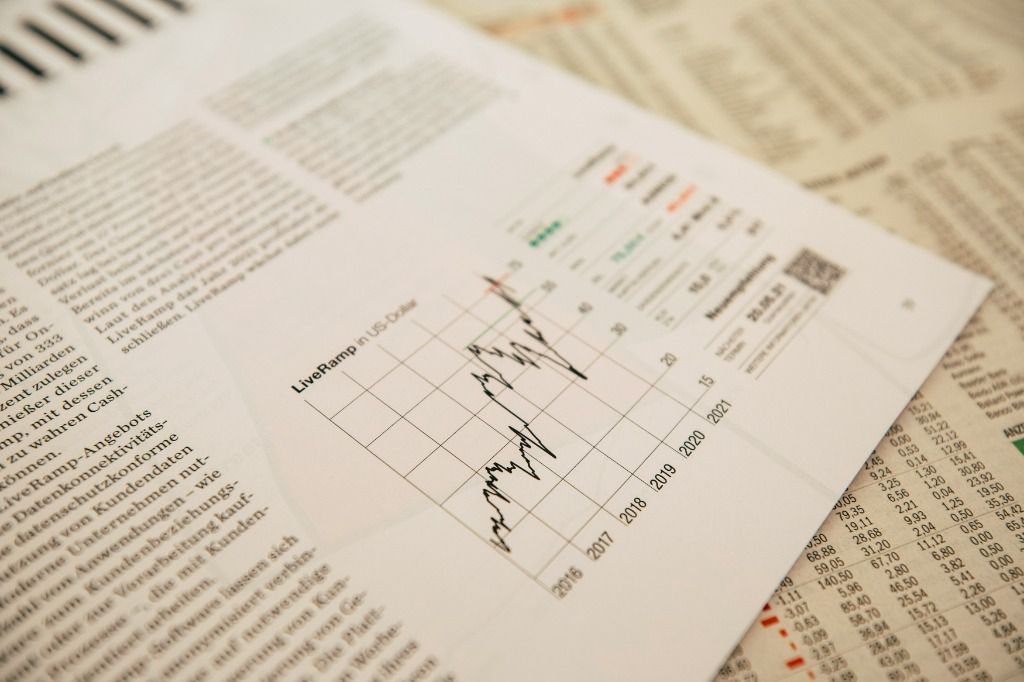
Every quarter, public companies release earnings reports. Every quarter, the same pattern repeats: a headline number is published ("EPS of $1.42 vs $1.38 expected"), the stock moves, and most investors form an opinion in 30 seconds.
Then over the next few days, the stock often moves the opposite direction. Why? Because the headline number is the least useful piece of information in the entire report.
This guide shows what professional analysts actually look at when an earnings report drops.
What an earnings report contains
A standard earnings release has four parts:
- Press release — the headline numbers and management commentary
- Financial statements — the actual income statement, balance sheet, and cash flow
- 10-Q or 10-K filing — the detailed regulatory document filed with the SEC
- Earnings call transcript — what management says to analysts and how they answer questions
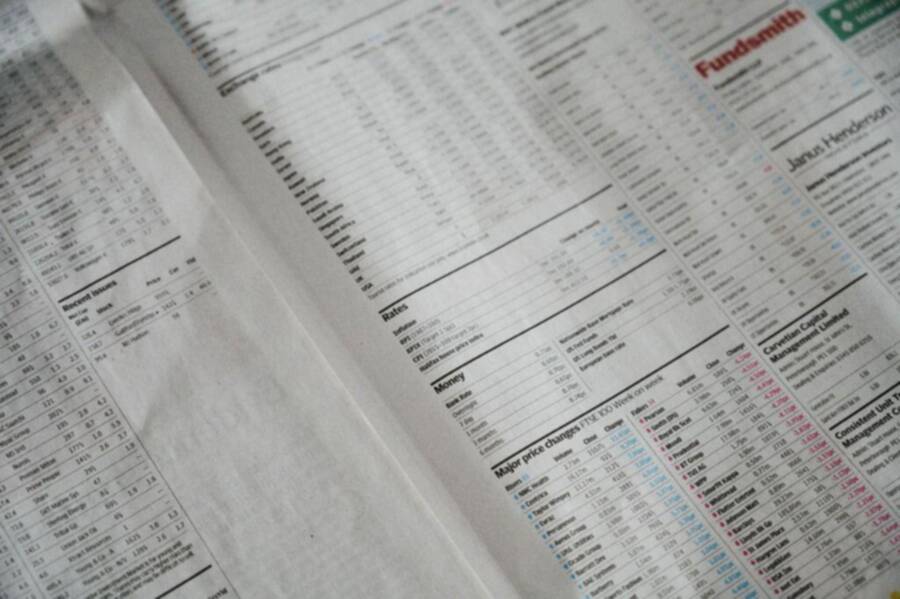
The press release is what journalists summarize. The other three parts are what professionals actually read.
The 7 things that actually matter
1. Revenue growth, broken down by segment
Total revenue growth is easy to manipulate. A company can hit a target by acquiring something or by pulling forward sales from next quarter.
What matters is organic revenue growth (excluding acquisitions) by segment. If a company has five business lines and four are shrinking while one is propping up the total, that's a different story than "revenue grew 8%."
2. Gross margin trend
Gross margin is harder to manipulate than revenue. It tells you whether the company's pricing power is improving or eroding.
Watch the trend over 4-8 quarters, not the single number. A gross margin dropping 50 basis points per quarter is a red flag even if the absolute level still looks healthy.
3. Operating cash flow vs net income
Net income is what accountants report. Operating cash flow is what actually shows up in the bank account.
When net income grows faster than operating cash flow for several quarters in a row, something is off. The company is recognizing revenue it hasn't collected, or capitalizing expenses it should be expensing.
4. Deferred revenue and accounts receivable
These two balance sheet items tell you whether the future is healthy.
Deferred revenue going up = customers are pre-paying for future services. Bullish.
Accounts receivable going up faster than revenue = customers are paying slower, or the company is recognizing sales it might not collect. Bearish.
5. Guidance and how it changed
What management says about the next quarter and the next year matters more than what happened last quarter.
Read the exact language. "We expect strong growth" is different from "We expect growth in line with our prior outlook," which is different from "We're updating our guidance to reflect a more cautious environment."
Companies almost never say "things are getting worse" directly. They say "we're adopting a more measured approach." Learning to translate corporate language is a key skill.
6. Management tone on the earnings call
The earnings call is where things get interesting. Analysts ask hard questions and management has to answer in real time.
Listen for:
- Defensive language when asked about specific business lines
- Long pauses before answering specific questions
- Repeating the question to buy time
- Deferring to "we'll talk about that at our investor day"
These are signals that something isn't going well. A company that's confident answers questions directly.
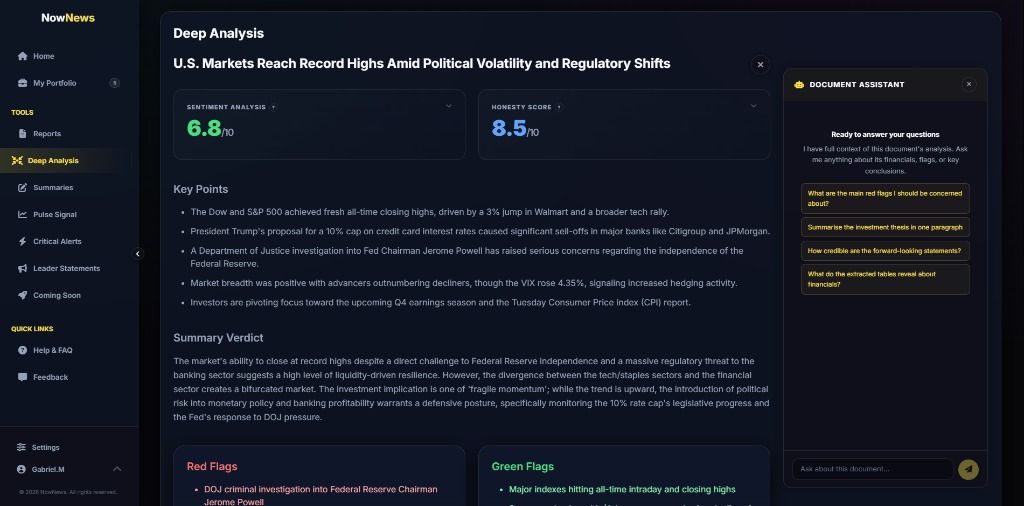
A tool like NowNews Deep Analysis can score the sentiment and tone of an earnings transcript automatically, which catches signals that humans might miss when reading 30 pages of dense Q&A.
7. Year-over-year comparisons (with context)
Always compare quarter to the same quarter last year, not the previous quarter. Most businesses are seasonal.
But also check what the comparison period was like. A company growing 20% YoY sounds great — until you realize last year's quarter was a disaster and they're just recovering to normal levels.
Red flags that mean "investigate further"
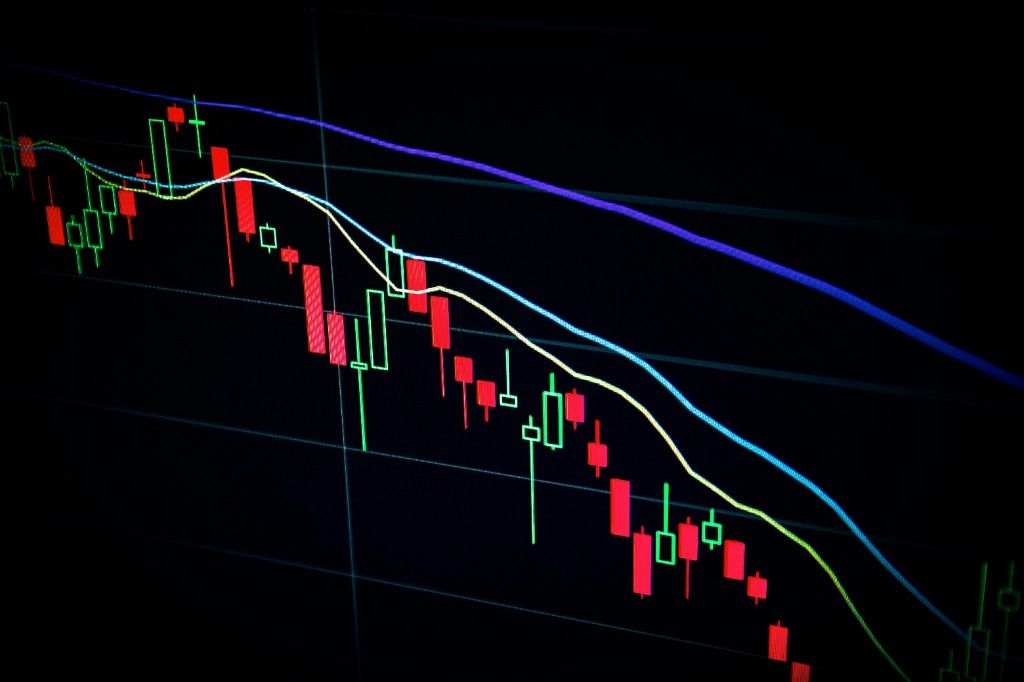
These don't automatically mean "sell," but they all warrant a deeper look:
- Auditor change in the past 12 months
- CFO departure announced alongside earnings
- One-time charges that appear "one time" every quarter
- Stock-based compensation growing faster than revenue
- Goodwill impairments
- Material weaknesses in internal controls
- Going-concern language anywhere in the filing
Any of these in a single quarter can be benign. Two or more in the same report is a serious warning.
What to ignore
Not everything in an earnings report deserves attention. These are usually noise:
- The exact EPS number (vs estimates)
- "Adjusted" or "non-GAAP" metrics that strip out real expenses
- Pro forma comparisons that exclude convenient items
- Forward-looking statements that are clearly marketing
- Management's own assessment of "the strength of our brand"
A repeatable workflow
Here's a 30-minute workflow you can apply to any earnings report:
- 5 minutes: Read the press release. Note the headline numbers and any guidance change.
- 10 minutes: Check the 7 metrics above in the financial statements.
- 10 minutes: Read the earnings call transcript (or use a tool to extract key points).
- 5 minutes: Compare with what you expected. Decide if your thesis is intact, weakened, or broken.
Doing this for every position you hold takes ~30 minutes per company per quarter. For a 10-stock portfolio, that's 5 hours every three months.
How to speed it up
The slowest parts of this workflow are reading the call transcript and pulling comparison data across quarters. Both can be automated.
NowNews Deep Analysis is designed exactly for this: upload an earnings document or paste a URL, and you get sentiment scoring, key points extraction, honesty signals (where management's statements contradict the data), and an interactive chat to ask follow-up questions about the document.
Try it free for 7 days at nownews.dev/register.
Last updated: April 2026.